Os melhores descontos desta semana
Todas as semanas pode encontrar aqui os melhores descontos.
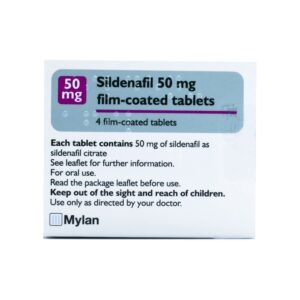
comprar comprimidos de Sildenafil (Viagra)
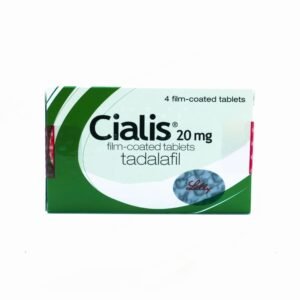
Comprimidos Cialis
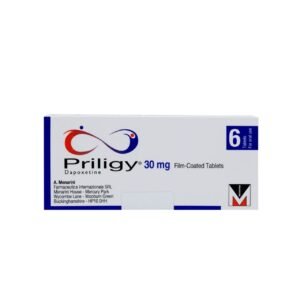
Comprimidos Priligy

Wegovy
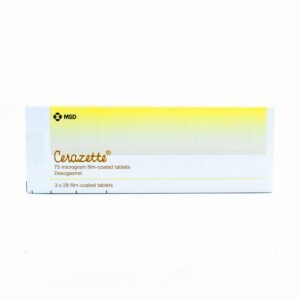
Comprimidos Cerazette
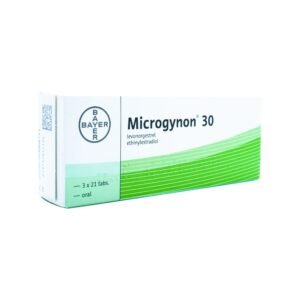
Comprimidos Microgynon
Toalhitas Oculares Blephademodex (30)
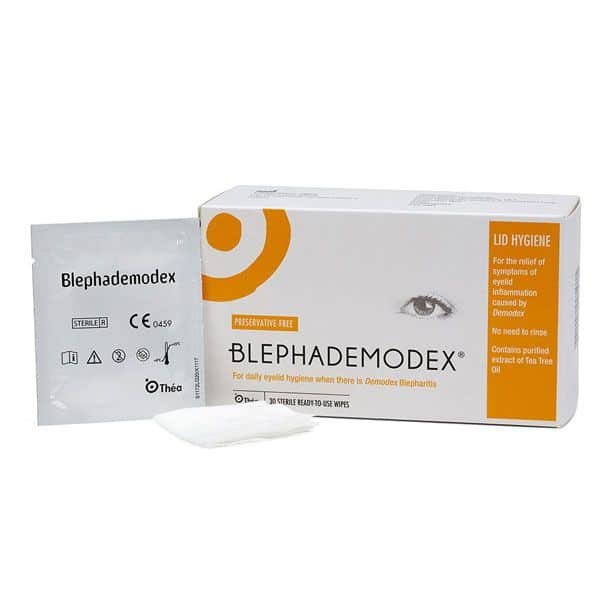
Blephademodex cleans away crusts, eyelash dandruffs, impurities mites and debris on eyelids and eyelashes that cause eyelid inflammation and is clinically proven1 to improve symptoms linked to Demodex infestation.
Principais Características:
- Clinically proven1 to improve symptoms linked to Demodex infestation
- Sterile wipes
- Free from soap – no need to rinse
- Preservative free
- CE marked medical device
- Entregue hoje (encomenda de seg a sex antes das 12:00, entrega entre as 17:00 e as 22:00)
- Incluindo custos de envio, enviados por blonwe.com
- A recolha num ponto de recolha blonwe.com é possível
- 30 dias para mudar de ideias e devoluções gratuitas
- Apoio ao cliente dia e noite
Descrição
What is Demodex?
Demodex is a type of mite. This is also the most common type of Demodex mite.
D. folliculorum lives within the hair follicles on human skin, feeding on dead skin cells. Unlike D. brevis, this type is mostly found on the face. These mites tend to be most prevalent around the eyes, affecting the lids and lashes.
Though the thought of having mites on your skin might sound unpleasant, it’s actually common to have small amounts of them. D. folliculorum only becomes problematic if they exacerbate preexisting skin conditions, such as rosacea. There’s also increasing evidence that large amounts can cause skin problems.
D. folliculorum is microscopic in size, so you won’t be able to diagnose its presence on your own.
What are the symptoms of Demodex folliculorum?
With large D. folliculorum infestations, you may notice sudden increased roughness of the skin.
Other symptoms may include:
- itchy or scaly skin
- redness
- increased skin sensitivity
- burning sensation
- skin that feels rough like sandpaper
- eczema
Many people with mites in their skin don’t know it. A small number of mites is unlikely to cause any symptoms.
What causes Demodex folliculorum?
D. folliculorum naturally occurs in human skin. However, the mites can be spread by contact with someone else who has them.
Unlike other types of skin mites, D. folliculorum increases the amount of skin cells in the hair follicles. In large amounts, this can create scaly symptoms on the face.
D. folliculorum is currently being investigated as a potential cause of rosacea. There’s evidence that these mites can cause flare-ups if you have rosacea. In fact, the National Rosacea Foundation estimates that rosacea patients have up to 18 times more Demodex mites than patients without rosacea.
Who is at risk for getting Demodex folliculorum?
Though D. folliculorum isn’t an uncommon occurrence, you may be at an increased risk for getting these mites if you have:
- a weakened immune system
- dermatitis
- skin infections
- alopecia
- acne, especialy inflammatory types
- HIV
- rosacea, though increasing evidence suggests the mites can actually cause this condition
How is Demodex folliculorum diagnosed?
Since D. folliculorum aren’t visible to the naked eye, you’ll need to see a doctor to get a definitive diagnosis. To diagnose these mites, your doctor will scrape a small sample of follicular tissues and oils from your face. A skin biopsy shown under a microscope can determine the presence of these mites on the face.
Produtos relacionados
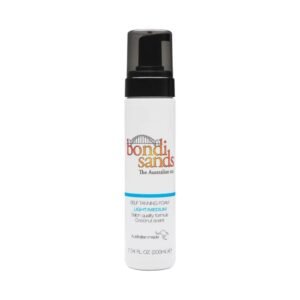
Bondi Sands Espuma Auto-bronzeadora – Clara/Média 200ml
O preço original era: £22.99.£18.39O preço atual é: £18.39.

Luva de Aplicação Reutilizável Bondi Sands
O preço original era: £6.99.£5.59O preço atual é: £5.59.
 English
  Dutch
Dutch  French
  German
  Italian
  Arabic
  Polish
  Portuguese
  Norwegian